
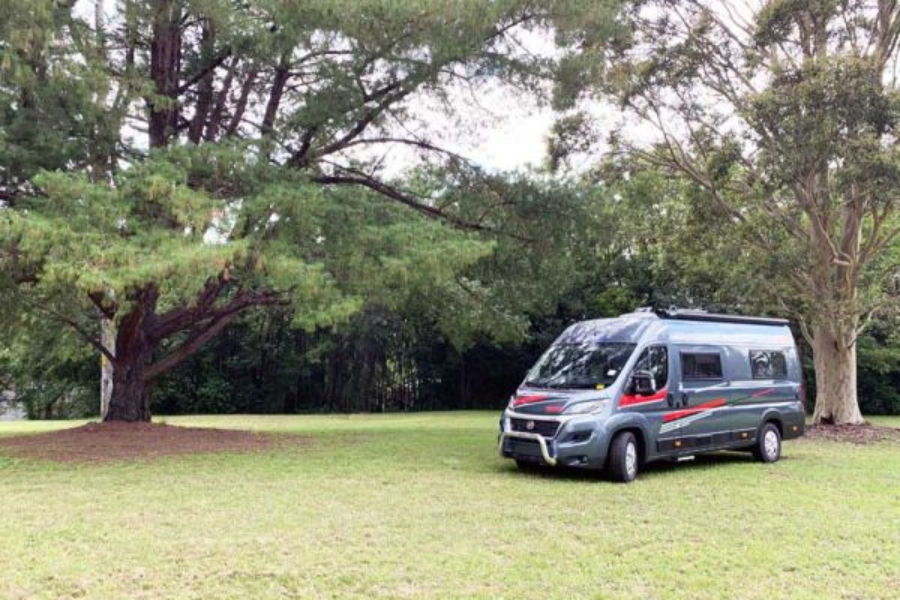
Designing a motorhome that feels spacious inside yet remains manageable on the road has always been a challenge for manufacturers. Travellers want comfort, storage, technology and room to move, but they also want a vehicle that is easy to drive, licence-friendly and efficient. The Avida Silverton, built on the Fiat Ducato platform, is a good example of how modern campervans and compact motorhomes are engineered to balance both needs. Its design shows how thoughtful construction can stay within important weight thresholds while still including a wide range of features.
This article explores how the Silverton’s weight is managed, what contributes to its payload capacity and how its layout—including its lightweight slide-out—adds space without pushing the motorhome into heavy-vehicle territory. It also looks at why these considerations matter for drivers comparing options through a motorhome or campervan dealer and researching models suitable for everyday touring.
Understanding Why Weight Matters in Modern Campervans
Weight limits are central to the way campervans and motorhomes are designed. In Australia, the most significant threshold is the 4,500 kg gross vehicle mass (GVM) limit, because staying under it allows a motorhome to be driven on a standard car licence. Exceeding that limit requires a Light Rigid or truck licence, which changes the vehicle’s accessibility and is an important consideration for anyone comparing models or researching how to buy best campervans for everyday touring.
For travellers, remaining under the 4,500 kg limit has several advantages:
- It avoids additional licence requirements.
- It allows a wider range of people to share the driving.
- It typically keeps fuel consumption lower than heavier vehicles.
- It supports easier urban and suburban driving.
- It broadens access to more parking locations.
The Silverton’s design philosophy acknowledges these conditions, using materials and construction techniques that allow it to offer a slide-out and numerous internal features while still fitting into the car-licence category.
Dimensions and Smart Weight Management
The Silverton’s compact length and balanced chassis help keep overall mass within the car-licence range while still supporting a functional interior layout. Its lightweight materials and single slide-out allow added living space without pushing the motorhome toward heavier weight categories.
Compact length with large-vehicle characteristics
The Silverton measures roughly 6.9 metres, placing it between compact campervans and mid-sized motorhomes. This size helps it maintain:
- Improved manoeuvrability on suburban streets.
- Easier parking in mixed-use areas.
- A stable feel on highways due to the well-balanced chassis.
While many slide-out motorhomes approach the upper range of the car-licence weight threshold, the Silverton’s construction method keeps mass under control.
Lightweight slide-out design
Slide-outs add interior room, but they also add weight. The Silverton handles this through:
- A single, compact slide-out rather than multiple extensions.
- Lightweight components that expand living space without significant mass increase.
- Engineering built around the Fiat Ducato’s structure to distribute weight efficiently.
This allows the vehicle to provide additional lounge and dining room without shifting into a heavier licence class.
Timber-free construction
Avida’s use of timber-free wall, roof and floor panels offers a practical benefit for weight control. The sandwich-panel construction reduces the number of heavy materials required while maintaining structural integrity. This directly supports:
- Lower base weight.
- Improved payload allowance.
- Better durability in varied Australian conditions.
For owners comparing campervans or small motorhomes, this approach means more equipment and storage can be added without exceeding capacity.
Payload Analysis: What the Silverton Can Carry
Payload refers to how much weight a motorhome can safely carry once the vehicle itself and its factory-installed equipment are accounted for. This includes:
- Water tanks
- Gas bottles
- Food and supplies
- Clothing
- Outdoor gear
- Additional optional equipment
The Silverton’s controlled base weight helps maintain a practical payload capacity, allowing travellers to load the motorhome with everyday essentials without exceeding limits. This is especially important for campervans and compact motorhomes, where overloading can occur quickly if the base vehicle already sits near its GVM.
Typical items that fall within the payload range include:
- Fresh water for short or extended stays
- Cooking equipment and pantry items
- Lightweight camping accessories
- Clothing and personal items
- Daily-use electronics and laptops
- Recreational gear such as compact chairs or small tools
Its ability to handle these without licence complications is one of the reasons the Silverton appeals to travellers who want motorhome comfort in a manageable format.
Offers More Features Without Excess Weight
The Silverton includes practical comforts like a functional kitchen, lounge space and a compact bathroom while avoiding heavy, bulky components. Its lightweight slide-out and efficient fittings create usable room without adding unnecessary mass.
Efficient interior layout
The Silverton’s design focuses on utilising space efficiently rather than simply adding more structural volume. Key examples include:
- A well-proportioned kitchen integrated into the main cabin area
- Multipurpose seating that functions as dining and lounge space
- A compact but functional bathroom
- Storage areas spread across the interior without creating bulk
This approach reduces the need for heavy cabinetry or oversized fixtures.
Strategically selected appliances
Motorhome weight often increases through the inclusion of large appliances. The Silverton balances comfort with mass by using:
- Compact, efficient air conditioning systems
- Lightweight cooktops and fridges
- Modern, streamlined bathroom fittings
- LED lighting to reduce electrical demand and physical weight
This ensures the feature list remains comprehensive without adding unnecessary kilograms.
Space gained through design, not size
The slide-out gives the Silverton a more open interior without expanding the vehicle’s width while driving. This allows:
- A more comfortable lounge area
- Space for dining and relaxing during longer trips
- A more open feel similar to larger motorhomes
Yet when retracted, the vehicle maintains a travel-friendly width that fits within standard lane and parking dimensions.
Why Weight Efficiency Matters for Everyday Travel
Many travellers use campervans and compact motorhomes for shorter trips, weekend escapes or regional exploration. Weight efficiency helps in these areas by:
- Reducing driver fatigue in busy environments
- Allowing use of ferry services, tourist car parks and small sites
- Supporting better fuel economy
- Improving braking and handling on varied road types
Since the Silverton remains under the car-licence threshold, it is easier to incorporate into everyday use, not just long holidays. This aligns with broader trends showing that more people are seeking motorhomes and campervans that suit suburban living and flexible travel patterns.
Place in the Modern Campervan Landscape
While the Silverton is technically a motorhome rather than a campervan, many travellers cross-shop between these categories because they both provide compact touring solutions. Campervans often appeal due to their smaller size, while motorhomes like the Silverton expand the offering with:
- Larger bathrooms
- More structured interior layouts
- Dedicated living spaces
- Greater insulation and weather resistance
The Silverton sits in a middle ground where it offers the comfort of a motorhome with the flexibility associated with certain campervans. Its weight-controlled design makes this possible.
For those researching options or viewing models through a local source such as Avida Gold Coast, understanding this relationship between weight, features and layout is an important part of choosing the right size vehicle.
Turning Smart Design into Practical Travel
The Silverton’s weight-efficient engineering is not just a technical achievement—it directly affects how travellers experience the motorhome on the road. By staying within the car-licence class, the vehicle remains suitable for:
- Suburban drives
- Coastal towns
- Regional roads
- Short-stay caravan parks
- Mixed parking environments
The thoughtful balance of weight, space and functionality makes it accessible to a wide range of users, including those who may be driving a motorhome for the first time.
A Balanced Approach to Space and Weight
The Silverton shows how careful engineering can provide genuine interior comfort without exceeding important motorhome weight limits. By combining lightweight construction with a practical slide-out and efficient layout, it delivers space where it matters while remaining accessible to drivers using a standard car licence. This balance makes it a strong example of how thoughtful design supports safer, more flexible and more manageable travel.
Frequently Asked Questions
1. How does the Silverton keep weight low while offering a slide-out?
The Silverton uses lightweight structural panels and a compact slide-out mechanism. This allows the living area to expand without adding excessive mass, helping the motorhome remain under the 4,500 kg licence limit.
2. Why is payload analysis important when choosing a motorhome?
Payload determines how much personal equipment, water and supplies you can safely carry. A motorhome with more efficient construction has more usable payload capacity, reducing the risk of exceeding legal limits.
3. Do campervans and compact motorhomes face the same weight considerations?
Yes. While campervans are often lighter, both vehicle types must stay within their GVM. The Silverton’s ability to offer motorhome-level comfort at campervan-friendly weights makes it notable in its category.
