
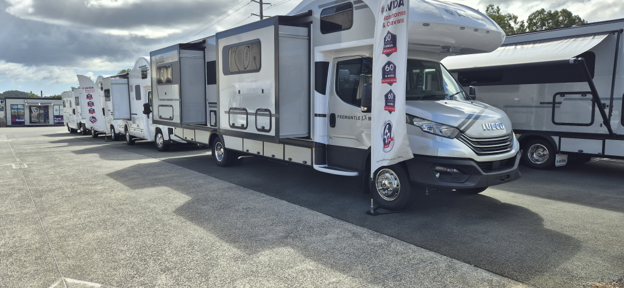
Buying a motorhome is a significant decision, and many travellers are discovering that a pre-owned vehicle can deliver just as much comfort and reliability as a brand-new model, often at a fraction of the cost. Among the many options available, certified used motorhomes stand out as a smart choice for buyers who want peace of mind without compromising on quality. This article explains what certification actually means, why it matters, and how it contributes to long-term value for anyone planning to hit the open road.
1. What Makes a Motorhome “Certified”
A certified used motorhome has been through a structured inspection and verification process before it reaches the market. Unlike a standard private sale, where the buyer has little insight into the vehicle’s history or condition, certification involves checking mechanical components, electrical systems, plumbing, appliances, and structural integrity. Vehicles that meet the required standard are cleared for sale, while those that do not are either repaired or excluded altogether.
This process gives buyers a clear picture of what they are purchasing. Instead of guessing whether a motorhome has been well maintained, a certified vehicle comes with documented evidence of its condition, service history, and any repairs carried out. This transparency is one of the main reasons quality used motorhomes are becoming a preferred option over both private sales and uncertified listings.
2. The Long-Term Value of Buying Certified
Long-term value is not just about the upfront price of a motorhome. It includes ongoing running costs, the likelihood of unexpected repairs, resale value, and overall reliability. Certified vehicles tend to perform better across these areas for several reasons.
Reduced risk of hidden issues
Because certified motorhomes undergo thorough checks before sale, buyers are far less likely to encounter costly surprises after purchase. Issues such as water damage, faulty wiring, or worn-out seals are identified and addressed early, rather than being discovered months later during a trip.
Better resale potential
A motorhome with a documented certification history is generally more appealing to future buyers. When it comes time to sell or trade in, having proof of proper maintenance and inspection can support a stronger resale value compared to a vehicle with an unclear background.
Lower maintenance costs over time
Motorhomes that pass certification are typically in better mechanical condition from the outset. This reduces the frequency of major repairs in the years following purchase, which can make a noticeable difference to the overall cost of ownership.
Confidence in safety and roadworthiness
Since motorhomes combine both a vehicle and a living space, safety checks need to cover more than just the engine and brakes. Certification typically reviews gas systems, electrical wiring, and structural elements that are essential for safe travel, giving owners added confidence before setting off on longer journeys.
3. Why Buyers Are Choosing a Trusted Motorhome Dealer
Purchasing through a trusted motorhome dealer adds another layer of assurance to the buying process. A reputable dealership does not simply list vehicles for sale; it stands behind the condition of each motorhome it offers. This includes providing accurate descriptions, disclosing any known history, and supporting buyers with guidance throughout the decision-making process.
Working with an established dealer also means access to a wider range of vehicles, each assessed against consistent standards. This makes it easier to compare features, layouts, and conditions without the uncertainty that often comes with private sales.
4. What to Look for When You Buy Motorhomes Used
For anyone ready to buy motorhomes second-hand, there are a few practical points worth keeping in mind. First, ask whether the vehicle has been through a formal certification or inspection process, and request documentation where possible. Second, check the service history to understand how regularly the motorhome has been maintained. Third, consider the age and mileage in relation to the price, as these factors influence both performance and future resale value.
It also helps to think about how the motorhome will be used. Someone planning occasional weekend trips may have different requirements to a buyer planning extended travel across the country. Certified used motorhomes are available across a range of sizes, layouts, and price points, which makes it possible to find a vehicle suited to specific travel needs rather than settling for a generic option.
5. The Practical Benefits of Choosing Certified
Beyond the financial advantages, certified motorhomes offer practical day-to-day benefits. Buyers can travel with greater confidence, knowing that essential systems have been checked and verified, which reduces the stress associated with unexpected breakdowns in remote areas.
Certification also supports informed decision-making. Rather than relying solely on a seller’s word, buyers can review documented findings and make judgements based on verified information. This is especially valuable for first-time motorhome buyers who may not have the technical knowledge to assess a vehicle’s condition independently.
6. Making an Informed Decision
Choosing a motorhome is not just about finding the right layout or features; it is about investing in a vehicle that will perform reliably for years to come. Certification provides a structured way to reduce risk, protect long-term value, and ensure that the vehicle meets recognised standards before it changes hands.
If you are exploring your options, Avida Gold Coast can help guide you through the process of finding a motorhome that suits your travel plans and budget with confidence.
Frequently Asked Questions
1. What does motorhome certification actually check?
Certification generally covers mechanical components, electrical systems, plumbing, appliances, and structural condition to confirm the vehicle meets a defined standard before sale.
2. Are certified used motorhomes more expensive than private sales?
Pricing varies by model and condition, but the added transparency and reduced risk often make certified vehicles a more cost-effective choice over time.
3. How does certification affect resale value?
A documented inspection and maintenance history can make a motorhome more attractive to future buyers, supporting stronger resale value.
4. What should I check before buying a used motorhome?
Look for inspection documentation, service history, and an assessment of age and mileage relative to the asking price.
5. Why buy from a dealer instead of a private seller?
A dealer typically provides accountability, accurate vehicle descriptions, and support throughout the buying process, which is not always available with private sales.
