
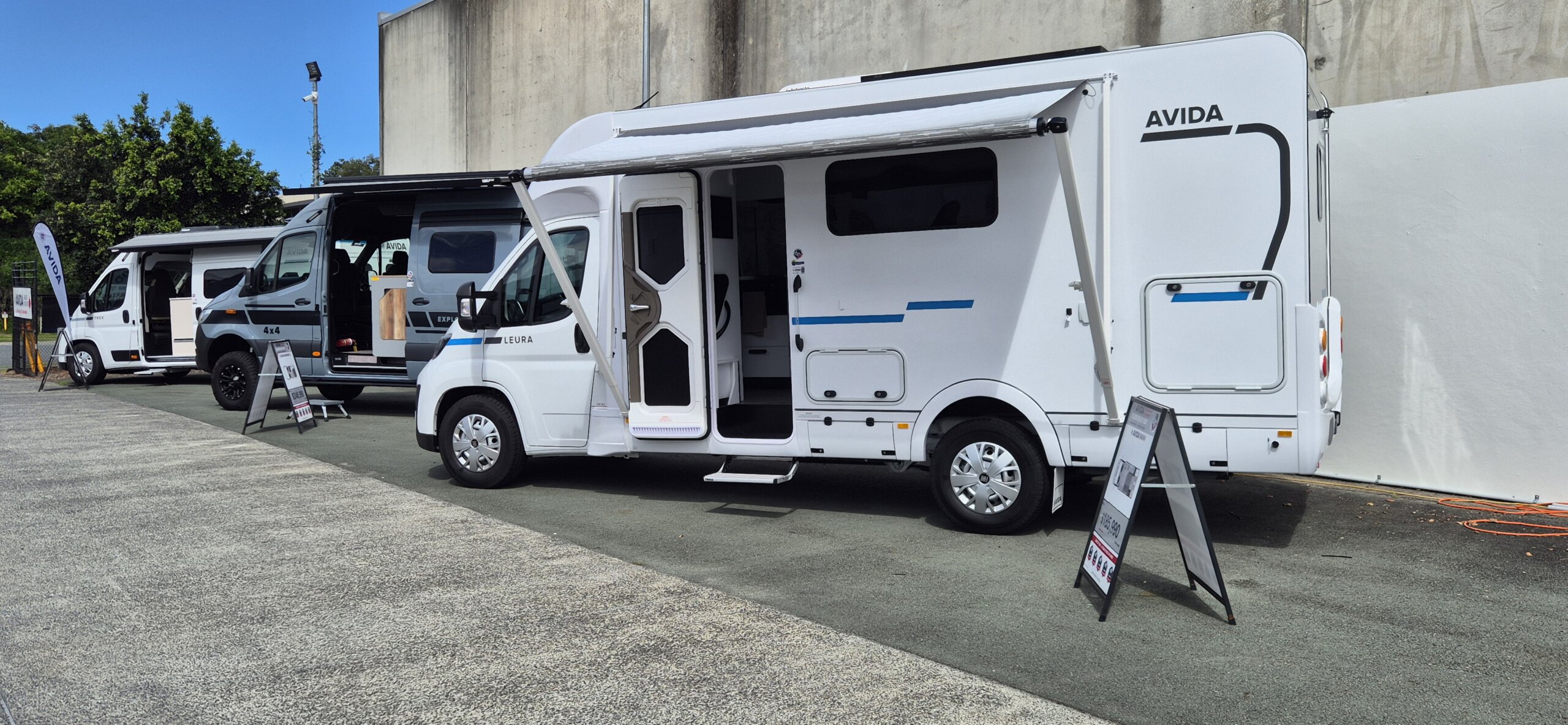
Selling a motorhome is different from selling a car. Buyers are weighing up a vehicle and a living space at the same time, and they look closely at both. Every detail, from the condition of the seals to the tidiness of the kitchen, shapes how much a buyer is willing to pay. The good news is that most of the factors that influence resale value are within your control, and many of them can be addressed in the months before you list.
Understanding what a prospective buyer looks for also helps. People ready to buy motorhome models with confidence tend to follow a similar checklist, and an owner who has already worked through it is in a stronger position. This guide covers the practical steps that make a difference.
Start With the Service History
A complete service record is one of the strongest signs of a well-kept motorhome. It tells a buyer that the engine, brakes and running gear have been looked after on schedule. Gather every invoice, logbook stamp and receipt into one folder, and arrange them in date order.
Habitation servicing deserves the same attention. Gas systems, water pumps, hot water units, fridges and electrical systems all need periodic checks, and a documented history shows the living area has been maintained as carefully as the drivetrain. If a gap exists in your records, a current service before listing can fill it and give buyers something concrete to rely on.
Deal With Water Ingress Early
Water damage is the issue that concerns buyers most. Even a small leak can lead to soft panels, mould and costly repairs, so inspectors tend to check the roof, window seals, skylights and storage lockers first.
Look over the sealant around roof fittings and replace any that have cracked or lifted. Press gently on interior walls and ceiling linings to feel for softness, and check cupboards for musty smells. If you find a problem, have it repaired by a qualified technician and keep the paperwork. A documented repair is far less concerning to a buyer than an unexplained stain.
Present the Interior Well
First impressions are formed within minutes of stepping inside. A clean, uncluttered interior lets buyers picture themselves travelling in the vehicle, and it signals that the motorhome has been respected.
- Remove personal items, bedding and food so the space looks open.
- Clean the oven, rangehood, fridge and sink thoroughly.
- Wash or replace curtains, blinds and cushion covers if they show wear.
- Treat any odours with fresh air and a thorough clean rather than strong fragrances.
- Check that every door, drawer and latch opens and closes smoothly.
Small repairs matter here as well. A loose hinge, a cracked light cover or a stiff window catch is inexpensive to fix and removes easy objections during an inspection.
Care for the Exterior
The exterior is what buyers see first, so it deserves a proper wash and a close look. Remove road grime and tree sap, and polish the body to restore its shine. Faded decals, scratched panels and dull fibreglass can often be improved with the right products or professional detailing.
Keep the Mechanical Side in Good Order
A motorhome that starts easily, drives smoothly and stops confidently gives buyers the assurance they want. Before listing, check fluid levels, belts, hoses and the battery. Confirm that the house batteries hold their charge and that the solar panels, inverter and charger are performing as they should.
If the vehicle has any warning lights or unusual noises, have them diagnosed beforehand. Buyers are far more comfortable with a known, repaired fault than with an open question. A recent roadworthy certificate, where required in your state, speeds up the sale and removes a common source of delay.
Choose the Right Time to Sell
Demand for motorhomes follows the travel calendar. Listings often attract more interest in the months leading up to the cooler touring season and ahead of school holidays, when people begin planning trips. Listing a few weeks before these periods gives interested buyers time to inspect and arrange finance.
Local demand matters too. The Gold Coast has a strong touring culture, and many enquiries come from people searching for used motorhomes for sale close to home so they can inspect in person. Taking clear photographs in good light, writing an honest description and answering questions promptly all help your listing stand out.
Price Realistically and Be Transparent
Pricing a motorhome comes down to research. Review recent sales of similar vehicles, taking into account age, kilometres, layout and condition. An asking price that reflects the market attracts genuine enquiries and shortens the time on the market, while an inflated figure can leave a listing sitting for months.
Honesty builds trust. Disclose known faults, accident repairs or modifications up front. Buyers who feel they have been told the full story are more likely to proceed, and the sale is less likely to fall through after an inspection.
Understand How Buyers Think
Many of the people who view your motorhome will be researching how to buy a used motorhome in Gold Coast with care, so they are likely to have read inspection checklists already. They will ask about water damage, service history and registration. They may ask to have the vehicle checked independently. Welcoming these requests shows confidence in your vehicle and keeps negotiations smooth.
Ready to Take the Next Step?
Whether you are preparing to sell or planning your next purchase, the team at Avida Gold Coast can talk you through your options and answer questions about new and pre-owned motorhomes.
Frequently Asked Questions
Should I repair minor faults before selling?
Yes, in most cases. Small repairs are usually inexpensive and remove objections during inspections, which helps keep buyer confidence high.
When is the best time to list a motorhome?
Interest often rises before the cooler touring season and school holidays. Listing a few weeks ahead gives buyers time to inspect and arrange finance.
What paperwork do I need to sell a motorhome?
You will generally need the registration details, service records, any required roadworthy certificate and proof of ownership. Check with your state transport authority for the exact requirements.
Do buyers prefer to inspect a motorhome in person?
Most do. Inspecting in person allows buyers to check the layout, smell for damp and test the systems, so a clean and accessible vehicle makes a strong impression.
