
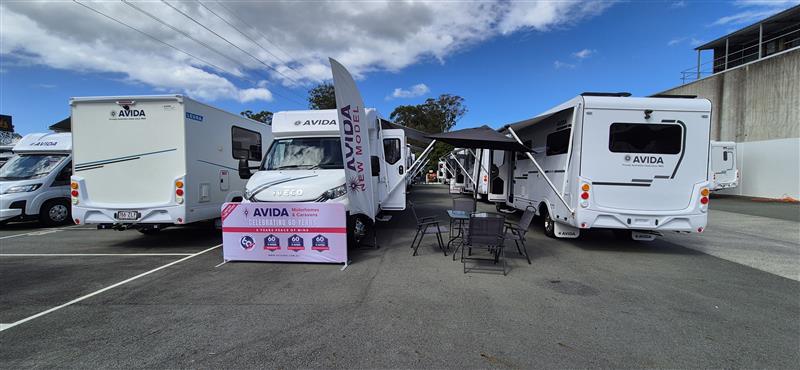
Buying a motorhome is a significant decision, and a little planning goes a long way. Whether you imagine relaxed weekends along the coast or longer journeys across the country, speaking with a local motorhome dealer in Gold Coast whom residents can visit in person helps you understand your options clearly. This guide explains the main points to think about before you commit, so you can feel confident about the vehicle you bring home.
Start With How You Plan to Travel
Before looking at floorplans, consider how you will actually use your motorhome. A couple who travels for a few weeks each year has different needs from a family heading out every school holiday or a retiree planning extended time on the road.
It helps to ask yourself a few questions early. How many people will travel regularly, and how many need to sleep on board? Will most trips be short getaways or long journeys? Do you prefer caravan parks with powered sites, or do you like camping off the grid? Who will drive, and how comfortable are they with a larger vehicle?
Your answers shape everything that follows, from layout and size to the features worth having. A knowledgeable dealer will usually ask similar questions first, because the right motorhome starts with the right brief.
Set a Realistic Budget
The purchase price is only part of the picture. When you plan to buy motorhomes, it is wise to think about the cost of ownership across the first few years. Ongoing costs commonly include registration, comprehensive insurance, regular servicing, fuel, storage if your home has no space, camping fees, and gas refills.
Having a clear figure in mind makes shopping simpler. It also helps you ask better questions about finance, inclusions and delivery, so there are fewer surprises after you sign.
Understand Layouts and Living Space
Floor plans vary widely, and the best way to appreciate them is to step inside. Photos rarely show how a space feels when you are cooking breakfast or getting ready for bed.
Sleeping arrangements
Check the bed type, size and access. Some motorhomes offer a fixed bed, while others use a dinette that converts or an overhead bed. If you are tall or have mobility needs, test each option rather than relying on a specification sheet.
Kitchen and bathroom
Look at bench space, fridge capacity, cooktop type and storage. Think about the bathroom too. Some layouts include a separate shower and toilet, while others combine them to save room.
Think About Size, Weight and Licensing
Motorhomes come in a range of lengths, and size affects where you can park, camp and drive. A compact model is easier to manoeuvre through town and into smaller sites, while a longer motorhome offers extra space for families or extended stays.
Weight matters as well. Check the vehicle’s gross vehicle mass and its payload, which is the weight you can add in water, gas, passengers and belongings. Confirm that your current licence covers the vehicle you are considering, as requirements can depend on weight. Your state transport authority can confirm the rules, and a dealer can usually point you in the right direction.
Inspect the Build Quality
A motorhome is both a vehicle and a home, so it deserves a careful inspection. Take your time and look closely at the cabinetry, doors and latches, which should feel solid and close properly. Check the windows, seals and roof, where leaks often begin. Test the electrical systems, including batteries, solar and power outlets, and review the water, gas and ventilation systems. Finally, look over the tyres, brakes and general mechanical condition.
What to Know When You Buy a Used Motorhome
If you are searching for options to buy a used motorhome, buyers should ask for the service history and any records of repairs. Look for signs of water damage, such as staining or a musty smell, and ask whether the vehicle has been inspected recently. A dealer who is open about a vehicle’s history makes the whole process more transparent.
Pre-owned vehicles may also include extras such as awnings, additional storage or upgraded electrical equipment. Check that any accessories are in working order and that the paperwork is complete. Buying locally also makes it easier to return for servicing or questions after the sale.
Look Into After-Sales Support
The relationship with your dealer does not end when you collect the keys. Motorhomes need regular maintenance, and occasionally something needs attention. Before you buy, ask about warranty terms and how claims are handled, servicing and repair arrangements, and the availability of parts and accessories.
A proper handover is especially valuable for first-time owners. Learning how the water, gas, electrical and awning systems work before your first trip helps you travel with confidence and avoid problems that are easy to prevent.
Why Visiting a Local Showroom Helps
Online research is a good starting point, but nothing replaces seeing a motorhome in person. Walking through different layouts, sitting in the driver’s seat and asking questions face to face gives you a clearer sense of what suits you. Visiting a local motorhome dealer Gold Coast buyers trust makes it simple to return for a second look.
Take the Next Step With Confidence
Buying a motorhome is easier when you know what to look for. Define how you will travel, set a realistic budget, inspect each vehicle carefully and ask about support after the sale. When you are ready to see the options in person, speak with the team at Avida Gold Coast to discuss your plans and arrange a visit.
Frequently Asked Questions
What costs should I plan for beyond the purchase price?
Allow for registration, insurance, servicing, fuel, storage and camping fees. Accessories and gas or water refills are also common ongoing expenses.
Do I need a special licence to drive a motorhome?
Many motorhomes can be driven on a standard car licence, but this depends on the vehicle's weight. Check the requirements with your state transport authority before you buy.
How do I check the condition of a used motorhome?
Ask for the service history, inspect the roof, seals and windows for leaks, test the electrical, gas and water systems, and take a test drive. Where possible, have the vehicle inspected by a qualified professional.