
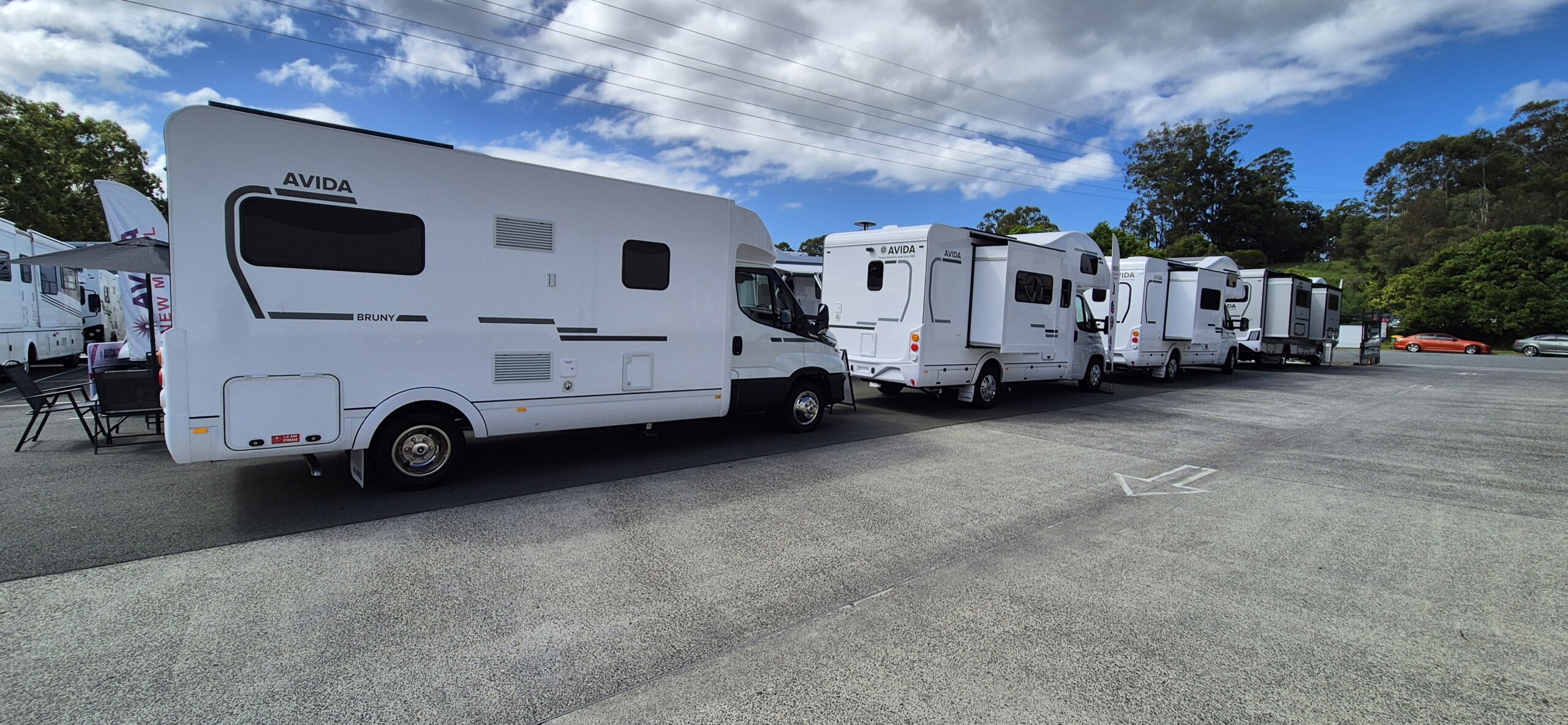
Choosing a motorhome is about more than selecting a vehicle with enough beds or the latest interior features. The right motorhome should complement the way you travel, whether you are planning weekend escapes, extended road trips or longer adventures across Australia.
With so many options available, deciding which model suits you best can take time. Different layouts, vehicle sizes, sleeping arrangements, storage capacities and onboard facilities can significantly change the travel experience. What works well for one traveller may not necessarily suit another.
If you are planning to buy motorhomes, it helps to start by understanding your own travel habits. How many people will travel with you? Where do you want to go? How long will you typically stay on the road? Do you prefer established caravan parks or independent travel?
This motorhome buying guide explores the key factors to consider when choosing a vehicle that fits your travel plans, comfort preferences and practical requirements.
Start by Understanding How You Travel
Before comparing different motorhomes, think about the type of trips you are most likely to take. Your travel habits will influence almost every other decision, from the size of the vehicle to its storage and power requirements.
Consider Your Typical Journey
Ask yourself a few practical questions:
- How many people will travel regularly?
- How long will your trips usually last?
- Will you travel mainly on weekends or for extended periods?
- Do you plan to explore regional and remote areas?
- Will you stay mostly in caravan parks?
- Do you need space for outdoor equipment?
- How much time will you spend inside the motorhome?
For example, a couple taking short coastal trips may have different priorities from a family planning several weeks of travel. Similarly, travellers who spend most nights at powered sites may not need the same level of off-grid capability as those who prefer more independent travel. Understanding these needs is the first step towards choosing the right motorhome.
Choose a Layout That Works for Your Travel Group
The interior layout can have a major impact on how comfortable a motorhome feels. Two vehicles with similar external dimensions may offer very different experiences depending on how the available space is arranged.
Think about how you will use the motorhome throughout the day. Consider the kitchen, lounge, dining area, bathroom and sleeping spaces as part of one connected living environment.
Permanent Bed or Convertible Sleeping Area?
A permanent bed can be convenient for couples or travellers who frequently take longer trips. It means the sleeping area is always ready without having to convert the lounge each evening.
A convertible sleeping area, however, can provide greater flexibility and may be suitable for families or occasional guests.
There is no single best motorhome for travel for everyone. The ideal layout depends on the number of travellers and how you expect to use the vehicle.
If possible, walk through different models before making a decision. Sit in the lounge, stand in the kitchen and consider whether the interior feels comfortable when more than one person is moving around.
Consider the Size of the Motorhome
Motorhome size involves a balance between living space and driving practicality.
A larger vehicle may provide a more spacious interior, additional storage and greater onboard facilities. However, it can also require more care when navigating narrow roads, busy streets and smaller parking areas.
A more compact motorhome may be easier to drive and manoeuvre but could offer less interior space.
Think About Where You Will Drive
Consider your intended destinations before choosing a vehicle size. If you plan to explore larger cities and busy coastal areas, manoeuvrability may be important. If you are planning extended touring with more time spent inside the vehicle, additional living space may be a higher priority.
When you buy motorhomes, consider not only how the vehicle feels when parked but also how confident you will feel driving it.
A test drive can help you assess visibility, steering, braking, seating position and overall handling.
Look at Sleeping Comfort
A motorhome is effectively your accommodation while travelling, so sleeping comfort should be treated as an important consideration rather than an afterthought.
Consider the size and position of the beds, mattress quality and access to the sleeping area. If two people are travelling together, think about whether the bed provides enough space for both occupants.
Storage near the sleeping area can also be useful. Wardrobes, overhead cupboards and bedside storage help keep clothing and personal belongings organised.
Ventilation is another factor worth considering, particularly when travelling through warmer parts of Australia.
The right sleeping arrangement should provide enough comfort for your typical travel duration. A setup that works for a two-night trip may feel very different after several weeks on the road.
Evaluate the Kitchen and Bathroom
The kitchen and bathroom can significantly influence the practicality of a motorhome.
If you enjoy preparing meals while travelling, consider the amount of bench space, refrigeration and storage available. Those who mainly prepare simple meals may prefer a smaller kitchen that allows more room for living and relaxation.
When assessing kitchen facilities, consider:
- Refrigerator capacity
- Cooking appliances
- Preparation space
- Cupboard storage
- Ease of cleaning
- Ventilation
The bathroom should also be assessed for usability. Look at the shower size, storage, ventilation and overall layout.
Think about how often you expect to use the onboard facilities. Travellers who spend most nights at caravan parks may have different requirements from those who prefer independent touring.
Do Not Underestimate Storage
Storage is one of the features that can have the biggest impact on everyday convenience.
Travelling involves more than packing clothes. Depending on your lifestyle, you may also need food, cooking equipment, outdoor furniture, sporting equipment and recreational gear.
Match Storage to Your Lifestyle
Before choosing a motorhome, think about what you normally take on holiday. If you enjoy cycling, fishing or other outdoor activities, check whether there is sufficient space for your equipment.
Look at both internal and external storage, including:
- Wardrobes
- Overhead cupboards
- Kitchen storage
- Under-bed compartments
- External storage areas
However, available space should always be considered alongside payload capacity. Carrying more equipment increases the overall weight of the vehicle, so it is important to understand the manufacturer’s weight ratings.
Consider Power and Off-Grid Capability
Your preferred travel destinations should influence how you assess the motorhome’s power systems.
Travellers who regularly stay at powered campsites may have different requirements from those who want to spend several days away from established facilities.
Depending on the vehicle, you may need to consider battery capacity, solar systems and other power management features.
Think About Your Level of Independence
Ask yourself how often you expect to travel without access to mains power. If independent travel is important to you, investigate how the motorhome manages electricity and whether its systems support your intended travel pattern.
Water and waste capacity may also influence how long you can stay away from established facilities.
These considerations can help you choose a motorhome that matches your preferred level of independence.
Consider Driving Performance and Safety
Comfort inside the motorhome is important, but the driving experience should not be overlooked.
Consider the engine performance, transmission, vehicle dimensions and handling characteristics. A motorhome should feel manageable and comfortable for the type of roads you expect to travel.
Safety features can vary between vehicles, so review the available technology and equipment carefully.
Depending on the model, features may include:
- Reversing cameras
- Parking sensors
- Driver assistance systems
- Improved visibility
- Modern braking and safety technology
A test drive can help you understand how the vehicle performs in real-world conditions.
Set a Realistic Budget
Your budget should account for more than the initial purchase price.
When you buy motorhomes, consider ongoing costs such as registration, insurance, servicing, maintenance and fuel. Larger vehicles may also have different running costs compared with more compact models.
Think about the features you genuinely need and prioritise them accordingly. Paying for facilities you rarely use may not provide meaningful value, while compromising on features that directly affect your travel comfort could lead to dissatisfaction later.
A realistic budget can help you focus your search and compare suitable options more effectively.
Work With an Experienced Motorhome Dealer
Once you understand your requirements, speaking with an experienced motorhome dealer on the Gold Coast can help you explore suitable options and compare different layouts and specifications.
A reputable dealer should be able to provide information about available vehicles and help you understand the practical differences between models.
However, the final decision should always be based on your own travel requirements. Take time to inspect the motorhome, review its specifications and ask questions about the features that matter most to you.
Final Thoughts
Choosing a motorhome is ultimately about finding the right balance between comfort, practicality and driving requirements.
The best motorhome for travel is not necessarily the largest or most feature-rich option. It is the one that suits the way you plan to travel, the people travelling with you and the destinations you want to explore.
Before you buy a motorhome, consider the layout, vehicle size, sleeping arrangements, kitchen, bathroom, storage, power systems and driving performance. Think about your typical trips and the facilities you genuinely need.
Taking a thoughtful approach to choosing the right motorhome can help you make a more informed decision and select a vehicle that supports your travel plans for years to come.
If you are ready to explore your options, contact AVIDA GOLD COAST to discuss your travel needs and find a motorhome that suits your lifestyle.
Frequently Asked Questions
Is a larger motorhome always better for long-distance travel?
Not necessarily. A larger motorhome may provide more living space and storage, but a smaller vehicle can be easier to drive and manoeuvre. The right choice depends on your comfort and travel requirements.
What motorhome features should I prioritise?
Priorities vary, but important considerations include the floor plan, sleeping arrangements, kitchen, bathroom, storage, power systems, payload capacity and driving performance.
Should I test drive a motorhome before buying?
Yes. A test drive allows you to assess the vehicle's handling, visibility, braking, steering and overall driving comfort before making a purchase decision.
Why is storage important when choosing a motorhome?
Adequate storage helps keep the living area organised and allows you to carry essential belongings and recreational equipment. However, storage should always be considered alongside the vehicle's payload limits.
