
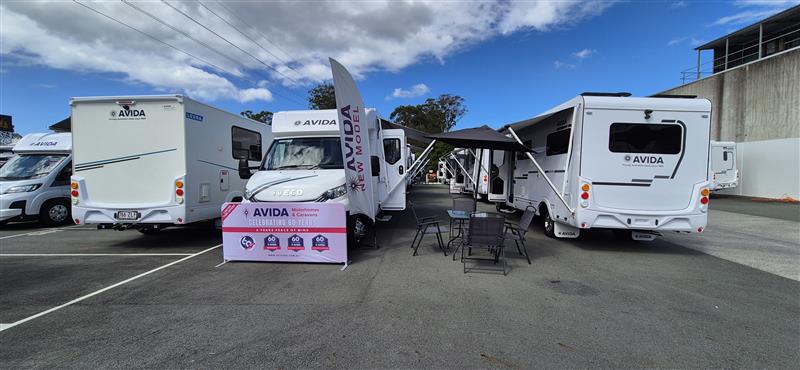
Buying your first motorhome is an exciting step towards a more flexible way of travelling. Instead of booking accommodation for every trip, you can take your living space with you and explore destinations at your own pace. However, purchasing a motorhome is a significant decision, particularly if you are unfamiliar with the vehicles, layouts and practical considerations involved.
For a first-time motorhome buyer, the process can initially feel overwhelming. There are different vehicle sizes, floor plans, sleeping arrangements, onboard facilities and specifications to compare. If you are researching how to buy motorhomes, understanding these differences can help you make a more informed decision.
Before making a purchase, it is worth understanding what ownership involves and identifying the features that genuinely matter to you. This beginner’s guide covers the essential considerations to help you approach buying your first motorhome with greater confidence.
Start by Defining How You Want to Travel
Before looking at specific motorhomes, think about the type of travel you want to enjoy.
A motorhome designed for occasional weekend trips may have different requirements from one intended for extended touring around Australia. Similarly, a couple may prioritise a spacious bedroom and comfortable living area, while a family may need additional sleeping capacity.
Consider these questions before you start comparing vehicles:
- How many people will regularly travel with you?
- How often do you expect to use the motorhome?
- Will your trips be short or extended?
- Where do you plan to travel?
- Will you mainly stay at caravan parks?
- Do you want to travel independently or off-grid?
- What equipment or recreational gear will you carry?
Understanding your travel habits can help narrow down your options and prevent you from choosing a vehicle based solely on appearance.
Choose a Floor Plan That Suits Your Lifestyle
The floor plan is one of the most important aspects of a motorhome. It determines how you use the available space for sleeping, cooking, dining and relaxing.
As a first-time motorhome buyer, it can be easy to focus on the overall size of a vehicle without considering how efficiently the interior is arranged. However, two motorhomes with similar dimensions can feel very different inside.
Think About Your Daily Routine
Consider how you will use the motorhome during a typical day. Would you prefer a permanent bed that does not need to be converted each evening? Do you need enough seating for everyone to eat together? Is a larger kitchen important to you?
If possible, walk through different layouts before making a decision. Sit in the lounge, move around the kitchen and check the bathroom. Imagine how the space will work when the motorhome is occupied by everyone travelling with you.
A layout that looks practical in photographs may feel different in person, so experiencing the space firsthand can be valuable.
Decide What Size Motorhome You Need
Motorhome size involves balancing interior comfort with driving convenience.
A larger vehicle may provide more living space, storage and onboard facilities. However, it can also be more challenging to manoeuvre through busy streets, narrow roads and smaller parking areas.
A compact motorhome may be easier to drive and park but could offer less room for extended stays.
Consider Where You Will Drive
Think about your intended destinations and how you expect to travel. If you plan to explore cities and coastal areas, manoeuvrability may be important. If you are planning long periods on the road, additional interior space could be more valuable.
A test drive can help you understand how comfortable you feel behind the wheel. Pay attention to visibility, steering, braking, seating position and overall handling.
Understand the Sleeping Arrangements
One of the first things new buyers should consider is where everyone will sleep.
Different motorhomes offer different sleeping configurations, including permanent beds, convertible lounges and additional sleeping areas.
A permanent bed can be convenient for couples who travel frequently, while convertible arrangements may provide greater flexibility for families.
Think about:
- Number of regular travellers
- Bed size
- Mattress comfort
- Ease of access
- Privacy
- Bedroom storage
- Ventilation
Your sleeping arrangements can have a significant impact on comfort, particularly during longer trips.
Assess the Kitchen and Bathroom Facilities
The kitchen and bathroom are important parts of everyday motorhome living.
If you plan to prepare most of your meals inside the vehicle, consider the available bench space, refrigerator capacity, cooking facilities and storage.
Those who mainly eat out or prepare simple meals may prefer a compact kitchen that leaves more room for living space.
The bathroom should also be assessed carefully. Consider the size of the shower, available storage, ventilation and ease of use.
Think about how often you will use the onboard facilities. If you plan to stay primarily at established caravan parks, your requirements may differ from someone who wants to travel independently for several days at a time.
Check Storage and Payload Capacity
Storage is often underestimated by people buying their first motorhome.
Travelling can involve carrying far more than clothing. Depending on your lifestyle, you may need food, cooking equipment, outdoor furniture, sporting equipment and other personal belongings.
Check the available storage both inside and outside the vehicle.
Consider What You Will Carry
Your motorhome purchase checklist should include:
- Internal cupboards
- Wardrobes
- Under-bed storage
- External compartments
- Kitchen storage
- Space for recreational equipment
However, available storage should always be considered alongside payload capacity.
The total weight of passengers, luggage, water, fuel and additional equipment contributes to the vehicle’s overall weight. Make sure you understand the manufacturer’s weight ratings and do not assume that having more storage automatically means you can carry more.
Learn About Power and Water Systems
Motorhome ownership involves understanding systems that you may not normally consider when travelling in a conventional car.
Power, water and waste systems can influence how independently you can travel.
If you plan to stay at powered caravan sites, your requirements may be relatively straightforward. If you want to spend more time away from established facilities, you may need to pay closer attention to battery capacity, solar systems, water storage and waste management.
Ask questions about how these systems work and what maintenance they require.
Understanding these features before purchasing can make your first trips more enjoyable and help you prepare for life on the road.
Consider Your Budget Beyond the Purchase Price
The purchase price is only one part of the financial commitment involved in motorhome ownership. If you are speaking with a motorhome dealer in Gold Coast, it is also worth discussing ongoing costs such as registration, insurance, servicing and maintenance before making your decision.
Such as:
- Registration
- Insurance
- Fuel
- Servicing
- Repairs
- Tyre replacement
- Storage, if required
- Optional accessories
Larger motorhomes may have different running and maintenance costs compared with smaller vehicles.
Creating a realistic ownership budget can help you understand what you can comfortably afford and prevent unexpected expenses from affecting your travel plans.
Take a Thorough Test Drive
A test drive is an important step for any new buyer.
A motorhome can feel very different from a standard passenger vehicle due to its size, height and weight. You need to feel comfortable controlling it in different situations.
During the drive, consider the following:
- Is visibility adequate?
- Does the vehicle feel stable?
- Are the controls easy to use?
- Is the seating comfortable?
- How does it handle turns and braking?
- Do you feel confident with its size?
If you are buying a larger motorhome, it may take some time to become familiar with its dimensions. Understanding this before purchase can help you make a more suitable choice.
Inspect the Motorhome Carefully
Whether you are considering a new or used vehicle, inspect it carefully before committing to a purchase.
Check the condition of the interior, storage areas, appliances, bathroom, kitchen and external components. For used motorhomes, review available service records and ask about the vehicle’s history.
You should also understand the vehicle’s warranty and any relevant terms before completing the purchase.
If you are unsure about mechanical or technical aspects, consider seeking advice from an appropriately qualified professional.
Think About Long-Term Motorhome Ownership
The best motorhome ownership tips are often based on preparation.
Once you own a motorhome, regular maintenance becomes part of your travel routine. You will need to monitor tyres, fluids, appliances and onboard systems. It is also useful to understand how to prepare the vehicle before a trip and how to store it when it is not being used.
Keeping records of servicing and maintenance can help you stay organised and identify potential issues before they become more serious.
Over time, you will also become more familiar with your motorhome and learn which systems require the most attention.
Final Thoughts
Becoming a first-time motorhome buyer is an exciting step, but the right purchase requires thoughtful planning. The best motorhome is not necessarily the largest or most expensive option. It is the vehicle that provides the right combination of comfort, practicality and functionality for the way you intend to travel.
Before you make a decision, consider your travel plans, floor plan, vehicle size, sleeping arrangements, kitchen, bathroom, storage and onboard systems. Review your budget and remember to account for ongoing ownership costs.
A detailed motorhome purchase checklist can help you stay focused on the features that genuinely matter. By taking your time, asking the right questions and understanding what motorhome ownership involves, you can approach your first purchase with greater confidence and prepare for many enjoyable journeys ahead.
For more guidance on choosing your first motorhome, contact AVIDA GOLD COAST to discuss the options available for your travel needs.
Frequently Asked Questions
How important is the floor plan when buying a motorhome?
The floor plan is extremely important because it determines how you use the living, sleeping, kitchen and bathroom areas. Choose a layout that suits your daily routine and the number of people travelling.
What should I include in a motorhome purchase checklist?
Your checklist should include the floor plan, vehicle size, sleeping arrangements, storage, payload, kitchen, bathroom, power systems, water capacity, driving performance, warranty and ongoing ownership costs.
Is a test drive necessary before buying a motorhome?
Yes. A test drive helps you assess the vehicle's handling, visibility, braking, steering and overall comfort. This is particularly important if you have limited experience driving larger vehicles.
What are some important motorhome ownership tips for beginners?
New owners should learn how the vehicle's electrical, water and waste systems operate, keep up with regular servicing and check tyres, fluids and appliances before travelling. Maintaining service records is also useful.
