
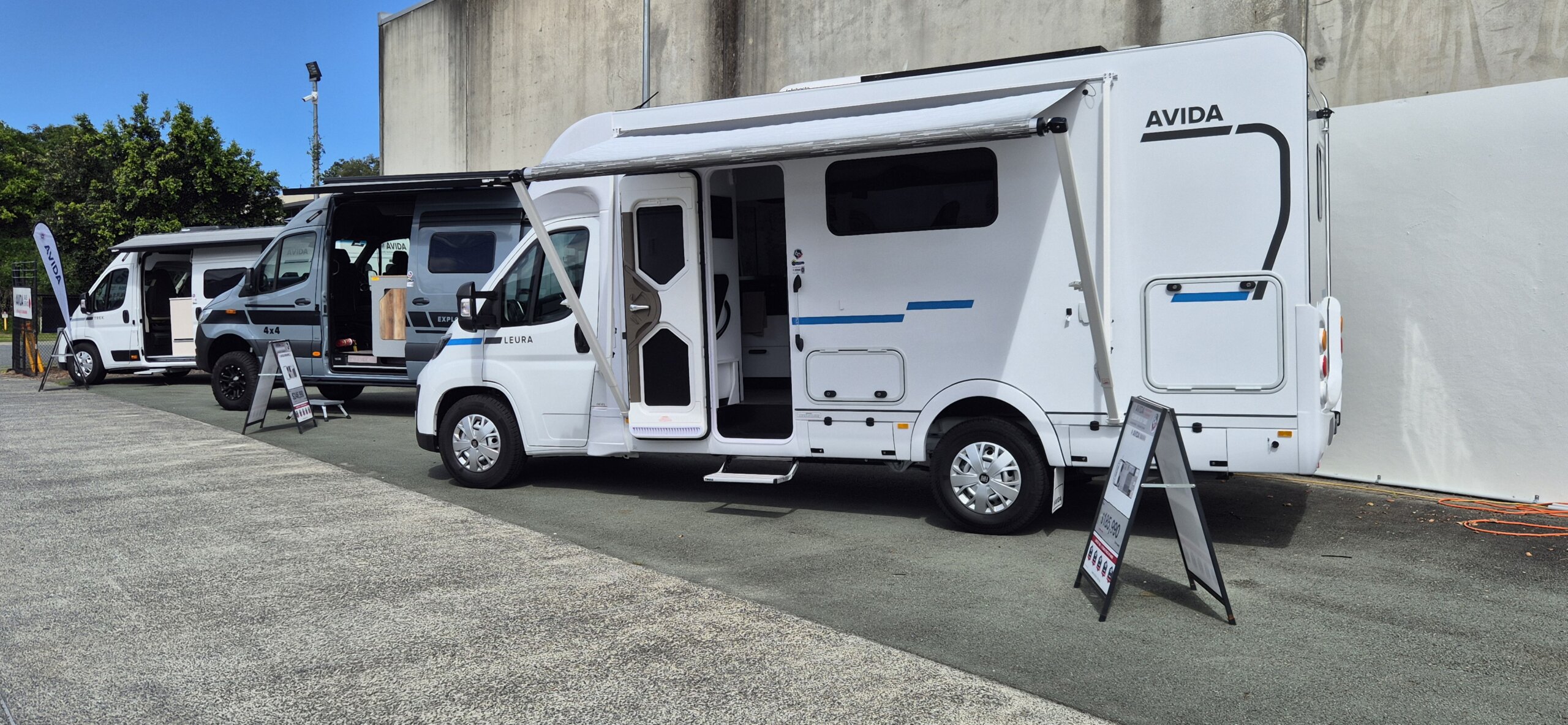
Buying a used motorhome can be an excellent way to enjoy the freedom of travel while staying within your budget. A well-maintained motorhome often provides many years of reliable adventures at a lower cost than purchasing a new model. However, making an informed decision requires more than comparing prices and appearances.
Before committing to a purchase, it is important to inspect the vehicle carefully. Understanding what to look for can help you identify potential issues, estimate future maintenance costs and choose a motorhome that suits your travel needs. Whether you are browsing used motorhomes for sale or planning to buy a used motorhome on the Gold Coast, following a structured inspection process can reduce the risk of unexpected repairs after purchase.
Start with the Exterior Condition
The first inspection should focus on the outside of the motorhome. Walk around the entire vehicle and look for signs of damage, including:
- Dents or scratches
- Rust or corrosion
- Cracked seals around windows
- Damaged body panels
- Loose trim or fittings
- Uneven paintwork
Minor cosmetic marks are common on older vehicles, but extensive damage may indicate previous accidents or poor maintenance. Pay close attention to roof seals, vents and skylights, as water entering through damaged seals can lead to expensive repairs.
Check for Water Damage
Water damage is one of the most serious problems found in used motorhomes. Inspect ceilings, walls and cupboards for:
- Soft spots
- Bubbling surfaces
- Staining
- Musty odours
- Mould
- Discoloured timber
These signs may indicate previous leaks. If possible, use a moisture meter during your inspection to detect hidden damp areas that may not be visible. Repairing water damage can be costly, making this one of the most important inspection steps.
Inspect the Tyres
Tyres affect both safety and performance.
Check for:
- Uneven wear
- Cracks
- Adequate tread depth
- Correct tyre size
- Manufacturing dates
Even tyres with good tread may require replacement if they are several years old. Replacing multiple tyres shortly after purchase should be considered when calculating your overall budget.
Examine the Engine and Mechanical Components
Even if you are not mechanically experienced, a visual inspection can identify obvious concerns. Look for:
- Oil leaks
- Coolant leaks
- Worn belts
- Corrosion
- Loose wiring
- Damaged hoses
Ask to review the vehicle’s service history. Regular servicing demonstrates that the motorhome has received ongoing maintenance throughout its life. If you are uncertain about the mechanical condition, arranging an independent inspection before purchase is often worthwhile.
Test All Interior Features
The interior should be inspected just as carefully as the exterior. Test every major feature, including:
- Lighting
- Power outlets
- Water pump
- Refrigerator
- Stove
- Heating and cooling systems
- Toilet
- Shower
- Windows and blinds
Everything should operate correctly before you commit to buying. Small repairs may appear insignificant individually, but multiple faults can quickly increase ownership costs.
Check Electrical and Plumbing Systems
Motorhomes rely on several integrated systems that support comfortable travel. Confirm that:
- The battery charges correctly
- Solar systems operate if fitted
- Water tanks hold pressure
- Pumps function properly
- Waste systems operate correctly
- Gas appliances ignite safely
Testing these systems reduces the chance of discovering expensive faults after purchase.
Review the Service Records
Documentation provides valuable insight into how well a motorhome has been maintained. Ask for records showing:
- Routine servicing
- Major repairs
- Appliance maintenance
- Tyre replacement
- Registration history
- Warranty information if available
Complete service records often indicate responsible ownership and make it easier to understand the vehicle’s maintenance history. Many buyers comparing used motorhomes for sale find that well-documented vehicles provide greater confidence than similar models with limited maintenance records.
Consider the Seller’s Reputation
The source of the motorhome is another important consideration. Some buyers purchase privately, while others prefer working with a motorhome dealer in Gold Coast that offers inspected vehicles and professional guidance throughout the purchasing process.
Regardless of where you purchase, take time to ask detailed questions about ownership history, maintenance and any previous repairs. A transparent seller who is willing to provide documentation and answer questions openly often helps buyers make more informed decisions before committing to a purchase.
Take the Motorhome for a Test Drive
A thorough test drive provides valuable insight into how the motorhome performs under normal driving conditions. During the drive, pay attention to:
- Steering response
- Brake performance
- Gear changes
- Suspension comfort
- Engine noise
- Visibility
- Dashboard warning lights
Listen for unusual sounds that may indicate mechanical issues. The vehicle should accelerate smoothly, steer predictably and brake confidently without excessive vibration or pulling to one side. Testing the motorhome on different road types, where possible, gives a more complete understanding of its condition.
Assess Whether the Layout Meets Your Needs
A motorhome may be mechanically sound but still unsuitable for your travel style. Consider practical factors such as:
- Sleeping capacity
- Kitchen layout
- Bathroom size
- Storage space
- Seating arrangements
- Internal headroom
Think about how you intend to use the vehicle. Couples, families and long-term travellers often have different priorities, so choosing a layout that supports your lifestyle can improve comfort during future trips.
Compare Overall Value Rather Than Price Alone
The cheapest option is not always the best long-term investment. When comparing vehicles, consider:
- Vehicle condition
- Service history
- Age and mileage
- Included features
- Maintenance requirements
- Potential repair costs
Applying these second-hand motorhome buying tips helps buyers evaluate overall value instead of focusing only on the purchase price. Spending slightly more on a well-maintained motorhome may reduce future repair expenses and provide greater reliability.
Conclusion
Inspecting a motorhome carefully before purchase can help you avoid costly surprises and make a more informed investment. Taking time to examine the exterior, interior, mechanical components, service history and onboard systems allows you to identify potential concerns before committing.
Whether you are comparing used motorhomes for sale or planning to buy a used motorhome in Gold Coast, a structured inspection process provides greater confidence throughout the buying journey. If you would like expert guidance when choosing your next motorhome, contact Avida Gold Coast to discuss your travel needs and explore the available options.
Frequently Asked Questions
How can I identify water damage in a used motorhome?
Look for stains, mould, soft walls, bubbling surfaces, musty odours and damaged seals around windows, roof vents and skylights.
Why is a service history important before I buy a used motorhome in Gold Coast?
A complete service history shows that the motorhome has been maintained regularly and helps buyers understand previous repairs and servicing.
What are the most important second-hand motorhome buying tips?
Inspect the vehicle thoroughly, review maintenance records, test all appliances, take a comprehensive test drive and consider arranging an independent mechanical inspection.
Should I buy from a private seller or a motorhome dealer in Gold Coast?
Both options can be suitable, but buyers should ensure the seller provides clear documentation, answers questions honestly and allows sufficient time for a complete inspection before purchase.
