
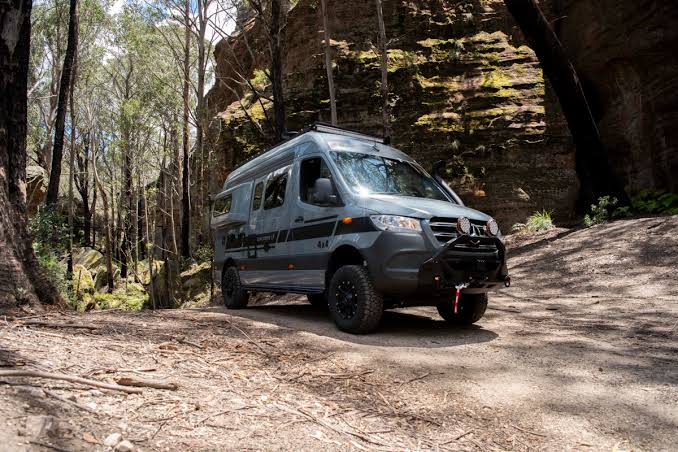
A first motorhome holiday is exciting, and a little preparation makes it far more relaxing. You carry your bed, kitchen and bathroom with you, which gives you freedom to change plans and enjoy the journey at your own pace. It also means learning a few new skills, whether you are borrowing a vehicle or preparing to buy your own motorhome. This guide covers practical tips for first-time travellers, from planning your route to managing power and water, so your first trip feels easy rather than stressful.
Choose a Route That Suits a First Trip
Resist the urge to cover long distances in the early days. A shorter route with fewer driving hours lets you settle into the vehicle and learn how everything works. Many first-time travellers start with a long weekend close to home, then build up to a longer holiday once they feel comfortable.
When mapping your route, think about road conditions, fuel stops and the type of terrain ahead. Steep mountain roads, narrow coastal streets and unsealed tracks all demand more attention in a larger vehicle. Allow extra time between destinations so you never feel rushed, and aim to arrive at your campsite well before dark.
Learn the Vehicle Before You Leave
The best time to learn about your motorhome is in the driveway, not at a roadside stop. Before departure, walk through every system with someone who knows the vehicle. Practise the following:
- Switching between mains power and battery
- Lighting the cooktop
- Filling the water tank
- Emptying the toilet cassette or waste tank
A proper handover is valuable when you collect any motorhome for sale from a dealer. Ask how the awning operates, where the gas bottles sit, how to read the tank gauges and what to do if a warning light appears.
Pack Sensibly and Watch the Weight
Every motorhome has a payload, which is the weight you can add in people, water, gas, food and belongings. Overloading affects handling, braking and tyre wear, so it is worth checking your limit before you pack. Water is heavy, so many travellers travel with a partly filled tank and top up when they arrive.
Pack the essentials first:
- Bedding and towels
- Basic cookware
- A first aid kit
- Wheel chocks
- A levelling kit
- A power lead
Store heavy items low and close to the axles, and secure loose objects so they do not shift on corners.
Plan Your Stops and Bookings
Spontaneous travel has its charm, but a first trip is smoother with a few confirmed stops. Popular caravan parks and campgrounds can fill quickly during school holidays and long weekends, so book ahead for peak periods. Check what each site offers, including powered sites, dump points, laundry facilities and pet rules.
If you plan to stay at free or low-cost camping areas, read the local rules first. Some areas have time limits or restrict overnight stays, and facilities can be basic. Carry enough water and keep your waste tanks within reach of a dump point. Download offline maps as well, since mobile reception can drop out in remote areas.
Manage Power, Water and Gas
Understanding your utilities removes most of the worry from motorhome travel. If you buy used motorhome models, have the electrical, gas and water systems checked. A powered site lets you connect to mains electricity, which runs the fridge, lights and air conditioning. When you are off the grid, your house battery and any solar panels do the work, so use appliances with care and monitor the charge level.
Fresh water runs out faster than most people expect, so take short showers and turn the tap off while washing dishes. Check your gas level before each trip, and know where the bottles are and how to switch them over. Keep ventilation open when cooking, and never use outdoor heaters or barbecues inside the vehicle.
Drive With Extra Care
A motorhome is taller, longer and heavier than a car, so it responds differently. Adopt these habits:
- Leave a larger gap to the vehicle ahead
- Take corners wide
- Brake early
Know your height before driving under bridges, car park barriers and low overhanging trees.
Adjust your mirrors before every journey, and use a spotter when reversing into a tight site. Take regular breaks, at least every two hours, to stay alert. Wind can push a motorhome on open roads, so reduce your speed on exposed stretches and when large trucks pass.
Thinking About Ownership After Your First Trip
Many people discover that a first motorhome holiday leads to a bigger question: whether to own one. If that sounds familiar, it helps to know what to look for. Think about how many people travel, how often you will use the vehicle and where you will store it. Test the layout in person, check the bed sizes and make sure the driver is comfortable behind the wheel.
When you browse vehicles, ask about the vehicle’s history, warranty, servicing requirements and what accessories are included. If a pre-owned vehicle appeals, request service records and inspect the roof, seals and electrical systems carefully. A transparent seller will answer these questions and walk you through the vehicle’s features.
Speaking with a local dealer gives you access to advice drawn from real travel experience. When you are ready to explore the options, visit the team at Avida Gold Coast to discuss your plans and arrange a viewing.
Frequently Asked Questions
Do I need special skills to drive a motorhome?
Most motorhomes drive much like a large van, but they need more space to brake and turn. A practice drive in a quiet car park or on quiet roads helps build confidence.
How do I manage power and water when camping off the grid?
Use appliances with care, monitor the battery charge and keep showers short. Carry enough fresh water and plan stops near a dump point.
What should I ask when I buy a used motorhome?
Ask for the service history, inspect the roof and seals for leaks, test the electrical, gas and water systems, and request a handover that explains every feature.
How do I choose the right motorhome for sale?
Start with how many people will travel and how you plan to use the vehicle. Then check the layout, storage, weight and licensing requirements in person.