
Spending months on the road is a different experience from a weekend away. A vehicle that feels charming for three nights has to cope with wet weather, long drives, daily cooking, work calls and the ordinary routines of life. For that reason, anyone planning to buy campervan options for extended travel benefits from thinking beyond appearance and price.
This guide walks through the practical questions to ask before you commit, from layout and power to budget and servicing, so that your first long trip is comfortable and well prepared.
Define How Long and How Far You Will Travel
Start with the shape of the journey. A three-month tour of the east coast asks different things from a vehicle than a full lap of Australia or a semi-permanent life on the road. Write down the regions you want to visit, the seasons you will travel in and whether you plan to stay in one place for extended periods.
Climate matters as much as distance. The tropical north brings heat, humidity and heavy rain, while southern winters can be cold and damp. Ventilation, insulation, heating and cooling all become more important when you live in the vehicle every day rather than visiting it occasionally.
Choose a Layout You Can Live In
Layout is the feature that people most often underestimate. Over weeks and months, small frustrations such as converting a bed each night or squeezing past a bench become tiring. Spend time inside any vehicle you are considering and act out your daily routine.
- Lie on the bed to check its length and comfort.
- Stand at the kitchen bench and pretend to cook a meal.
- Sit at the dining area as if you were working on a laptop.
- Open every cupboard and drawer to judge storage space.
- Check where wet towels, shoes and bulky gear would go.
Bathroom arrangements deserve careful thought. Some vehicles include a toilet and shower, while others rely on campground facilities. Decide how self-sufficient you want to be, because that choice influences size, weight and cost.
Power, Water and Self-Sufficiency
Long-term travel often involves nights away from powered sites, so energy and water systems are central. Look at the capacity of the house batteries, the size of the solar array and the type of charger fitted. Ask how many hours of fridge, lighting and device use the setup can support without running the engine.
Fresh water and grey water capacity determine how long you can stay between refills. Gas supply for cooking and hot water matters too. A knowledgeable salesperson should be able to explain each system clearly and show you how to operate it. If a seller cannot answer basic questions, consider that a useful signal.
Think About Weight, Size and Licensing
Every vehicle has a limit on the load it can carry. Water, gas, food, clothing, bikes and tools add up quickly, and exceeding the rated capacity affects safety, handling and insurance. Check the payload figure and work out how much your usual gear weighs before you decide.
Size shapes the experience in other ways. Narrow roads, tight car parks and some national park tracks suit compact vehicles, while larger layouts provide room for longer stays. Most campervans and motorhomes can be driven on a standard car licence, though heavier models may need a different class, so confirm the details with your state transport authority.
Set a Realistic Budget
The purchase price is only one part of the cost. Registration, insurance, servicing, tyres, fuel and campground fees all contribute to the yearly total. Many owners also set aside funds for unexpected repairs.
Finance is worth understanding before you visit a showroom. Knowing your borrowing range helps you focus on suitable vehicles and avoid disappointment. A clear budget also makes conversations with a dealer more productive.
Exploring New and Pre-Owned Stock
People who want to buy motorhomes for long-term use can look at both new and pre-owned stock. Pre-owned vehicles may already include useful extras such as solar panels, awnings or racks.
Anyone planning to buy used motorhome stock should also request the full service history and inspect the vehicle in person. Check the roof, seals and window frames for signs of water entry, since leaks are among the most expensive problems to repair. Test the gas, electrical and water systems, and take the vehicle for a drive to listen for unusual noises.
Plan for Servicing and Support
Mechanical reliability is critical when you rely on a vehicle as your home. Ask about the service schedule for both the engine and the living systems, and find out where servicing can be arranged if you are travelling interstate. Warranty terms, roadside assistance and the availability of spare parts all affect your peace of mind.
After-sales support is another factor. A dealer that offers a handover walkthrough, answers questions after purchase and understands the needs of long-distance travellers can save you considerable stress. Take note of how willing the team is to explain things before you buy.
Try Before You Commit
If possible, spend a night or two in a similar vehicle before purchasing. A short trial reveals how the bed feels, how well the systems work and whether the space suits you. Many first-time buyers discover preferences they had not expected, such as wanting a larger kitchen or a different seating arrangement.
Take the Next Step With Confidence
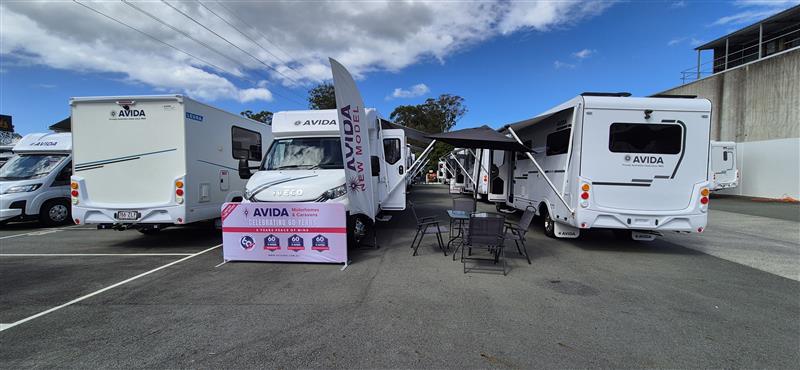
Buying a vehicle for long-term travel is a significant decision, and good preparation makes it far easier. If you would like to see what is available, you can view the new and pre-owned range at Avida Gold Coast and talk through your plans with the team.
Frequently Asked Questions
How much should I budget beyond the purchase price?
Include registration, insurance, servicing, tyres, fuel, campground fees and a fund for repairs. Your budget should reflect the length and style of your travel.
Can I drive a campervan on a standard car licence?
Many can, but heavier vehicles may need a different licence class. Check with your state transport authority before purchasing.
Is it sensible to buy a used motorhome?
It can be, provided you inspect it carefully. Review service records, check for water damage and test every system before deciding.
How can I tell if a campervan has water damage?
Look for stains, soft panels, musty smells and cracked sealant around the roof and windows. A professional inspection can offer extra reassurance.
