
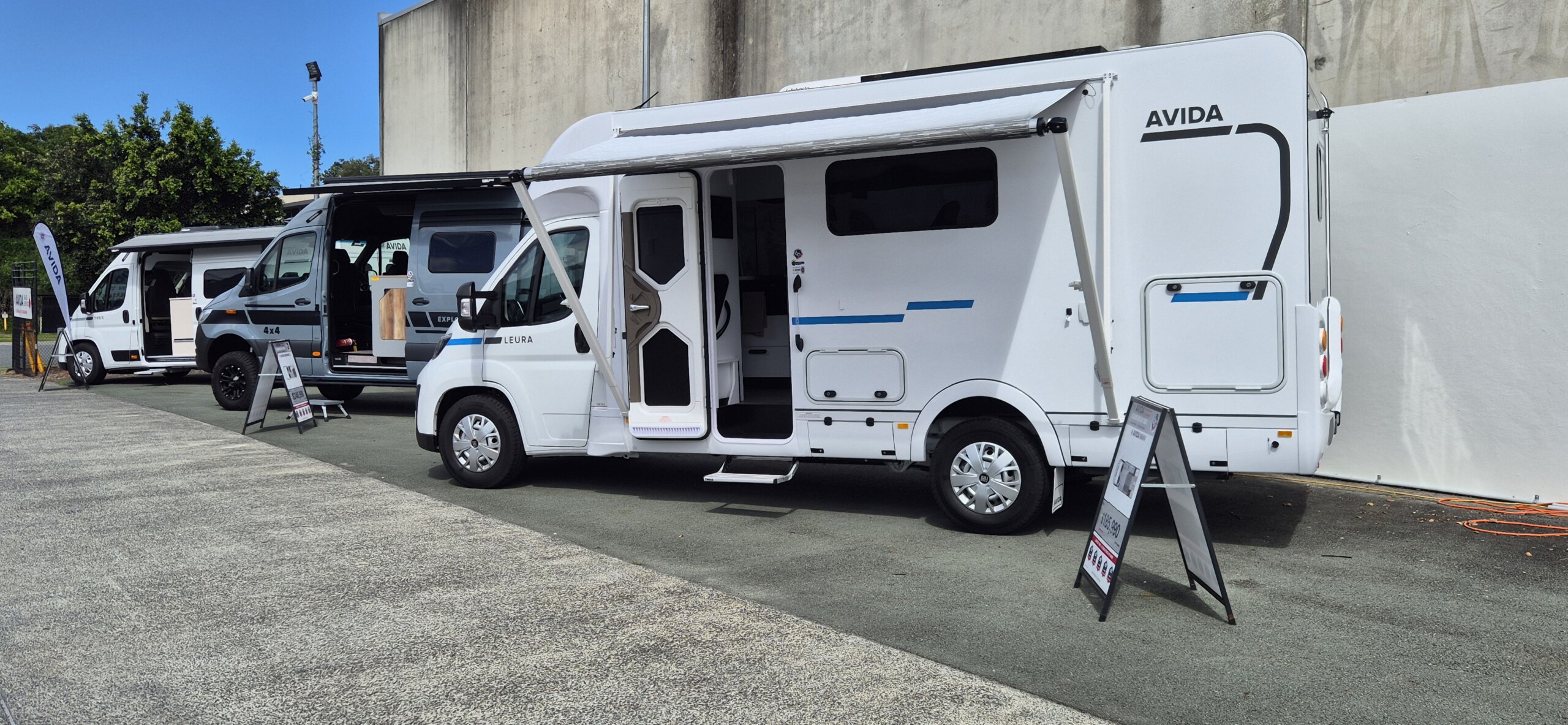
Compact motorhomes have come a long way from the basic, cramped layouts of the past. Today’s smaller models are designed with genuine thought given to comfort, storage, and everyday practicality, proving that a smaller footprint does not mean giving up on liveability. The Leura is a strong example of this shift, offering a layout built around compact living without sacrificing the essentials travellers rely on. For anyone looking to buy motorhomes that balance size with function, understanding how this kind of design works is a useful starting point.
A Layout Built Around Everyday Comfort
One of the defining features of the Leura interior is how efficiently the living space has been arranged. The lounge area sits at the heart of the motorhome, with a dining table positioned so that two people can sit down to a meal without feeling boxed in. This central social space is what gives the Leura its relaxed, homely feel, even within a smaller overall footprint. It is the kind of layout that suits couples who want a base to return to after a day of sightseeing, whether that involves coastal drives, national park walks, or island getaways reached by ferry along the way.
Rather than treating the lounge as an afterthought, the design places it as the central hub of daily life on the road, helping the motorhome feel larger than its exterior dimensions might suggest.
The Kitchen: Compact but Fully Functional
Positioned just behind the cab on the driver’s side, the kitchen area is designed to make the most of a limited footprint. Bench space, storage cupboards, and cooking facilities are arranged so that meal preparation remains straightforward, even in a smaller galley. This kind of thoughtful placement is a good example of space-saving motorhome design in practice, where every section of the interior is planned with a clear purpose rather than simply fitted in wherever space allows.
For travellers who enjoy cooking during their trips, having a properly functioning kitchen matters. A well-organised galley means less time spent searching for utensils, and more time enjoying the surroundings once the meal is ready.
Sleeping Arrangements That Free Up Living Space
A standout feature of this model is its drop-down electric bed, which can be raised out of the way when not in use. This single design choice has a significant impact on how the interior feels during the day, since the sleeping area does not need to permanently occupy floor space. Instead, the lounge remains open and usable for dining, relaxing, or simply moving around comfortably.
This reflects a broader principle in compact motorhome design: multi-use spaces are generally more practical than single-purpose ones, allowing the interior to serve two very different functions without feeling cluttered.
Bathroom and Storage Considerations
At the rear of the motorhome, the bathroom includes shower and toilet facilities within a self-contained space. Keeping these amenities separate from the main living area helps maintain a sense of order throughout the vehicle, which is particularly important in a smaller footprint where every square metre counts.
Storage has also been considered carefully throughout the layout, with compartments built into various sections of the interior rather than concentrated in one area. This distributed approach to storage makes it easier to pack efficiently for longer trips, since clothing, equipment, and everyday items can be kept in logical, accessible locations rather than piled together.
Why Compact Design Suits a Wide Range of Travellers
Smaller motorhomes are often associated with retirees or occasional weekend travellers, but the appeal of a well-designed compact layout extends further than that. A standard car licence is generally sufficient to drive this class of vehicle, which makes it accessible to a broader range of drivers who might otherwise be hesitant to take on a larger motorhome. Easier parking and manoeuvrability also make compact models a practical choice for those planning to explore regional towns, coastal routes, or destinations with narrower roads and limited parking.
For buyers researching options through a motorhome dealer Gold Coast community members regularly turn to, compact models like this one offer a sensible middle ground between affordability, ease of use, and genuine day-to-day comfort. They are particularly well suited to couples or small families who want the freedom of motorhome travel without managing an oversized vehicle.
Making the Most of a Smaller Footprint
Ultimately, the value of a well-designed compact motorhome lies in how thoughtfully its space is used. A functional kitchen, a flexible lounge and dining area, a bed that stays out of the way during the day, and sensible storage throughout all contribute to a living space that works harder than its size suggests. This is the core idea behind good space-saving motorhome design: it is not about fitting less in, but about arranging what matters in a way that supports comfortable, practical travel.
If you would like to see this kind of thoughtful layout in person, Avida Gold Coast can walk you through the Leura and help you decide whether its compact, well-planned interior suits your travel plans.
Frequently Asked Questions
1. Who is the Leura’s compact layout best suited to?
Its size and layout generally suit couples or small families who want manageable driving and parking without giving up everyday comfort.
2. Can this motorhome be driven on a standard licence?
Yes, this class of compact motorhome can typically be driven on a standard car licence, making it accessible to a wide range of drivers.
3. How does the drop-down bed affect daily living space?
When raised, the bed frees up the lounge area completely, allowing the space to be used for dining and relaxing during the day.
4. Is the kitchen suitable for regular cooking on the road?
Yes, the kitchen is arranged with practical bench space and storage, making it suitable for preparing meals rather than relying only on takeaway options.
5. What should buyers consider when choosing a compact motorhome?
It is worth thinking about typical trip length, storage needs, and how the layout will be used day to day, alongside practical factors such as ease of driving and parking.
